
 Facebook
 X
 Pinterest
 Copy Link
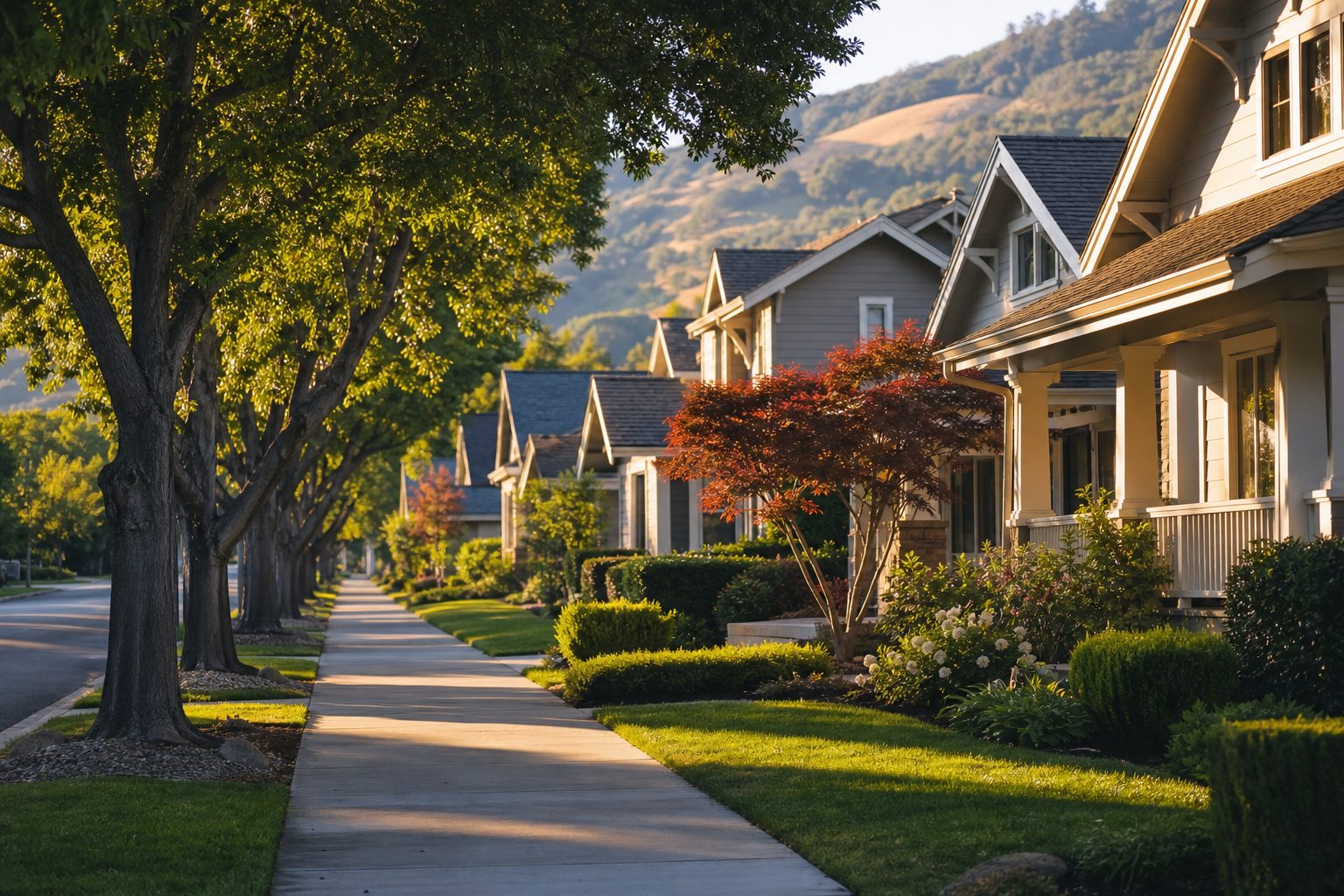
Google’s Downtown West project near Diridon Station was approved in 2021 but has been temporarily paused as of 2026. Downtown San Jose median prices sit around $1 million, below the citywide median, creating a speculative opportunity, but buyers should weigh the project’s uncertain timeline carefully before making location-driven decisions.
How is Google’s Downtown West affecting San Jose real estate in 2026?
Google’s Downtown West development near Diridon Station was unanimously approved by the San Jose City Council in May 2021 and envisioned as a transit-oriented campus larger than Apple’s Cupertino headquarters. As of September 2026, the project is temporarily paused. Downtown San Jose home prices sit roughly $400,000 below the citywide median, making the area a speculative value play, but one that requires a clear-eyed view of what “on hold” actually means for your timeline and risk tolerance.
Key Takeaways
- Google’s Downtown West project near Diridon Station and the SAP Center is temporarily halted as of April–May 2026, according to reporting from The Mercury News.
- The most recent Downtown San Jose median sale price, from July 2026, is approximately $1,004,657, down 8.7% year-over-year, per Redfin data.
- The citywide San Jose median sale price for the three months ending July 2026 was approximately $1.4 million, down 6.2% year-over-year, meaning downtown trades at a meaningful discount to the broader market.
- Google is actively expanding in other parts of San Jose, including an R&D site in Alviso and northern campuses, which may shift near-term speculative demand away from the Downtown West footprint.
- Nearby areas like Willow Glen ($1,760,000 median) and Campbell ($1,971,000 median) reflect how far downtown pricing sits from established Silicon Valley neighborhoods, and how much compression is theoretically possible if Downtown West resumes.
What is the current status of Google’s Downtown West, and why does it matter for buyers?
The project is approved but paused, and that distinction is everything if you’re buying near the Diridon Station footprint.
When the San Jose City Council unanimously approved Downtown West in May 2021, the vision was sweeping: a mixed-use transit village near the SAP Center and Diridon Station, with roughly 4,000 housing units, approximately 300 hotel rooms, and millions of square feet of office space. It was framed as a project that would fundamentally redefine the western edge of downtown San Jose.
By April 2026, the story had shifted. The Mercury News reported that Downtown West construction efforts had been temporarily halted, even as Google continued pursuing other San Jose investments. A May 2026 follow-up described Downtown West as part of Google’s “$1 billion real estate bet” in San Jose, but one where the downtown transit village work is paused while the company builds out northern campuses and an R&D site in Alviso.
For buyers, “approved but paused” is not the same as “cancelled”, and it’s not the same as “actively building,” either. The entitlement is real. The timeline is genuinely uncertain. That’s the honest framing, and anyone telling you otherwise is either overselling the upside or understating the risk.
What Google is doing instead in San Jose
While Downtown West sits in a holding pattern, Google’s broader San Jose footprint is still expanding. A large research and development site near Disk Drive in Alviso is under review and planning, and additional northern San Jose campuses remain active parts of the company’s local strategy. For real estate purposes, this creates a multi-node picture: Downtown West is a long-range vision, while Alviso and North San Jose are nearer-term physical expansions. Buyers and investors who are betting on Google-driven demand need to think about which node they’re actually near.
What do downtown San Jose home prices look like right now?
Downtown San Jose is trading at a meaningful discount to the broader market, and the most recent data shows prices have softened further in 2026.
According to Redfin’s July 2026 neighborhood data, the median sale price for Downtown San Jose was approximately $1,004,657, down 8.7% year-over-year. Earlier in the year, February 2026 data from the same source showed a median of roughly $1,000,000 with a 0.3% year-over-year decline, but with 66 homes sold versus 46 the prior year, meaning transaction volume actually picked up even as prices softened.
Zillow’s home values page, based on data through July 31, 2026, puts the typical downtown San Jose value at approximately $980,061. That’s a model estimate rather than a recorded sales median, but it reinforces the picture: downtown values cluster just under the million-dollar mark.
For citywide context, Redfin’s three-month data ending July 2026 shows a San Jose-wide median sale price of approximately $1.4 million, down 6.2% year-over-year. Realtor.com’s July 2026 update pegs the citywide median listing price at around $1.35 million, down about 2.0% year-over-year, in what it describes as a competitive market with ongoing bidding activity despite modest declines.
The gap between downtown and the broader city is real, and it’s larger when you compare downtown to the established neighborhoods I work in across Silicon Valley. Here’s how the numbers look across the areas I cover, based on recent local market data (trailing approximately 90 days, as of September 2026):
| Area | Median Sale Price | Median Days on Market |
|---|---|---|
| Almaden Valley | $1,973,500 | 48 |
| Santa Teresa | $1,250,000 | 50 |
| Willow Glen | $1,760,000 | 49 |
| Campbell | $1,971,000 | 35 |
| Aptos | $1,238,500 | 54 |
| Pacific Grove | $1,164,000 | 48 |
Downtown San Jose’s roughly $1 million median sits well below every neighborhood in that table. If Downtown West resumes and drives the kind of employment density and walkable mixed-use development originally envisioned, the spread between downtown and neighborhoods like Willow Glen or Almaden Valley could compress. That’s the bull case. The bear case is that the project stays paused for several more years and downtown pricing continues to reflect that uncertainty.
What does the listing market look like near Diridon Station right now?
According to Realtor.com’s Downtown San Jose market page (data last updated March 20, 2026), the area showed a median listing price of $899,000, a price per square foot of $716, 67 active listings, and a median days on market of 36 days, with a sales-to-list price ratio of 100%. A more recent Realtor.com county-level update from August 31, 2026 puts the downtown median at $868,250. The picture is liquid but not frenzied: homes are selling at or near list price, days on market are in the mid-to-upper 30s, and volume is up from a year ago even as prices have edged down.
For anyone seriously considering a purchase near the Downtown West footprint, the only way to understand what a specific address is actually worth, and what a realistic timeline looks like for any Google-driven appreciation, is to run a proper market analysis. That’s a conversation I’m glad to have.
What should buyers and sellers make of all this?
Here’s how I frame it for clients who ask me about Downtown West: it’s a real project with real approval, a genuinely uncertain timeline, and a market that is currently pricing in that uncertainty.
The transit-rich location near Diridon Station, Caltrain, and VTA light rail is a durable asset regardless of what Google does. Walkable access to regional transportation has long-term value in the Bay Area independent of any single employer’s construction schedule. What is NOT durable is any assumption about when ground breaks or what scale the project ultimately reaches.
The community dynamics are worth understanding too. When the city approved Downtown West in 2021, the public debate centered on affordable housing commitments, displacement concerns for existing residents and small businesses, and how the development would integrate with the surrounding urban fabric. Those conversations haven’t resolved, they’re simply paused along with the construction. If and when the project resumes, those policy questions will come back to the forefront, and they will shape what the neighborhood actually looks and feels like.
For sellers in the Diridon corridor, the honest answer is that the Google story is a marketing point, not a pricing guarantee. Buyers in 2026 are sophisticated enough to know the project is on hold, and pricing as if it’s imminent will likely backfire. For buyers, the question is whether the long-range upside is worth the uncertainty, and that depends entirely on your own timeline, financial situation, and appetite for a speculative element in your purchase.
You can check San Jose’s official housing data through the City of San José Housing Department’s market data page, which tracks metrics by quarter and year and is the city’s official repository for planning-grade statistics.
If you’re weighing a purchase near the Downtown West site, or deciding whether to sell before the picture clarifies, I’d start with a free CB Estimate® to understand where your home sits in this market today: get your estimate here. The numbers on the page are a starting point; a real conversation about your specific situation is where the actual decision-making happens.
I’d also invite you to read what past clients have said about working with me on Google and Zillow.
Frequently Asked Questions
Is Google’s Downtown West project actually going to be built, or is it permanently stalled?
Downtown West is temporarily paused, not cancelled, the San Jose City Council approval from May 2021 remains in place, but as of April–May 2026 reporting from The Mercury News, active construction work has been halted. Google continues to invest in other San Jose sites, including an R&D campus in Alviso and northern San Jose facilities, which suggests the company’s commitment to the city remains intact even as the downtown timeline is uncertain.
How has the pause on Downtown West changed real estate prices and demand in downtown San Jose?
Downtown San Jose prices have softened modestly in 2026, with the most recent data (July 2026, per Redfin) showing a median sale price of approximately $1,004,657, down 8.7% year-over-year. Transaction volume has actually increased compared to the prior year, suggesting buyers are active at these price levels even without a clear Downtown West timeline. The pause has kept prices well below what a fully activated tech campus might drive, which is both the risk and the opportunity depending on your perspective.
Does living near the planned Downtown West site still offer long-term upside if Google delays construction?
The transit access near Diridon Station, Caltrain, VTA light rail, and potential future high-speed rail connections, has independent long-term value regardless of Google’s construction schedule. Any appreciation tied specifically to the campus remains speculative until ground breaks and a realistic completion timeline is established. Buyers should evaluate the location on its own merits first and treat the Google upside as a potential bonus, not a baseline assumption.
How do home prices in downtown San Jose compare to areas like Willow Glen and Almaden Valley in 2026?
Downtown San Jose’s July 2026 median sale price of approximately $1,004,657 sits well below Willow Glen ($1,760,000 median) and Almaden Valley ($1,973,500 median) based on recent local market data. That gap reflects differences in property type, neighborhood character, and the uncertainty premium that downtown currently carries. If Downtown West resumes at scale, some compression of that spread is plausible, but it is not guaranteed, and the timing is unknown.
How might Google’s Alviso and North San Jose expansions affect housing demand compared to Downtown West?
Google’s active expansions in Alviso (around Disk Drive) and northern San Jose campuses are nearer-term physical projects than Downtown West, which means they may generate more immediate housing demand in those corridors rather than near Diridon Station. For buyers and investors, this creates a multi-node picture: proximity to active Google campuses in the north may carry less speculative risk in the short term than the downtown footprint, even if Downtown West’s long-range potential is larger in scale.
Equal Housing Opportunity. Kelly Ray is a licensed real estate agent with Coldwell Banker Realty, regulated by the California Department of Real Estate. The Coldwell Banker® System is comprised of company owned offices which are owned by a subsidiary of Anywhere Advisors LLC and franchised offices which are independently owned and operated. This article is general information only and does not constitute legal, tax, or financial advice, confirm your specific numbers with your closing agent, tax advisor, or lender.
