
 Facebook
 X
 Pinterest
 Copy Link
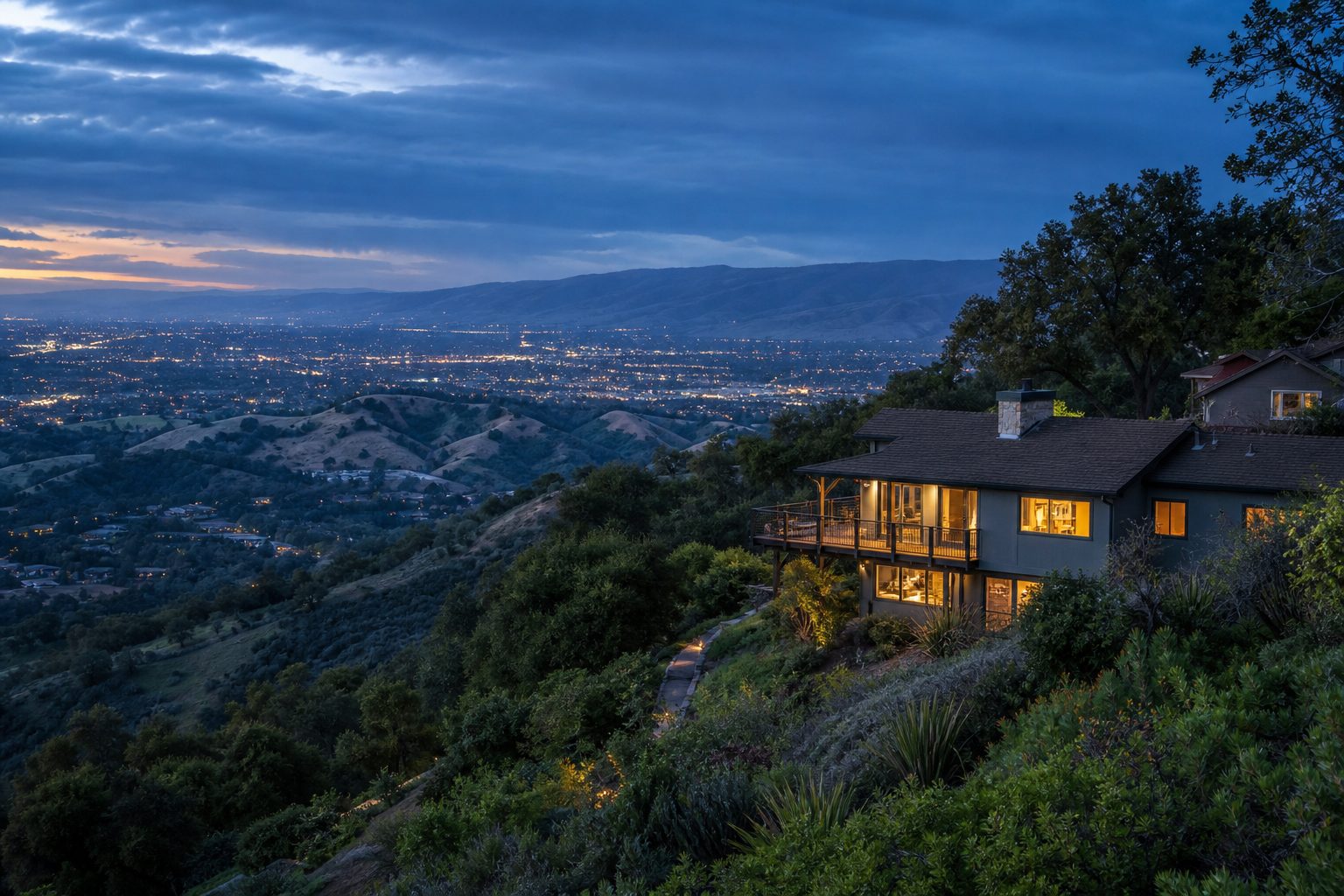
BART’s Silicon Valley Phase II extension will connect Downtown San José, Diridon Station, and Santa Clara to the broader Bay Area rail network, with revenue service targeted for late 2030. Neighborhoods near the planned stations are already drawing buyer and investor interest as transit-oriented development accelerates.
How will the BART Silicon Valley Phase II extension change commutes and real estate in San José?
BART’s Silicon Valley Phase II extension (BSVII) will connect Downtown San José, Diridon Station, 28th Street/Little Portugal, and Santa Clara to the existing BART network, enabling one-seat or easy-transfer rides to San Francisco, Oakland, and the East Bay. With a project budget between $12.1 billion and $12.7 billion and revenue service targeted for the end of 2030, the extension is reshaping how buyers, sellers, and investors think about location in the South Bay right now.
Key Takeaways
- BSVII carries a project budget of $12.1 billion to $12.7 billion, making it one of the most expensive transit expansions in the United States, according to the California Transportation Commission.
- A March 2026 VTA project monitoring report describes testing and commissioning planned from Q3 2029 to Q4 2030, with revenue service expected at the end of 2030, though that schedule may have been updated by later planning documents.
- Phase I already brought BART to Berryessa/North San José, which opened in June 2020, Phase II pushes that connection into the heart of downtown.
- Diridon Station will link BART to Caltrain, Amtrak/Capitol Corridor, ACE, future California High-Speed Rail, and VTA light rail, making it the most transit-connected location in Silicon Valley.
- Recent local market data shows a median sale price of $1,980,000 in Almaden Valley and $1,770,000 in Willow Glen, with nearby areas like Blossom Valley and Santa Teresa offering entry points closer to $1.2–$1.3 million, context that matters as BART access broadens the commuter catchment across the South Bay.
What does BART Phase II actually mean for Silicon Valley commuters?
Right now, a South Bay resident commuting to San Francisco faces a familiar set of trade-offs: drive to a Caltrain station, park, ride north, and transfer if needed. That friction shapes where people choose to live. BSVII changes the equation.
According to the Federal Transit Administration’s project profile, the extension will enable one-seat or easy-transfer rides between San José/Santa Clara and key regional destinations including downtown Oakland, San Francisco, and the broader East Bay. That’s a meaningful shift for a region where Highway 101, I-280, and I-880 absorb enormous commute-hour pressure.
The bigger story is Diridon Station. The VTA Phase II Overview and Benefits Factsheet positions Diridon as Silicon Valley’s primary rail hub, interlinking BART, electrified Caltrain, Amtrak/Capitol Corridor, ACE, future California High-Speed Rail, and VTA light rail and bus. There is no other location in the South Bay where that many rail lines converge. For anyone who has watched the MacArthur or 19th Street BART corridors in Oakland appreciate over the past two decades, the parallel is hard to ignore.
BSVII is also expected to make car-free or car-lite households more feasible in parts of San José and Santa Clara that currently feel car-dependent. The VTA factsheet highlights reduced vehicle miles traveled and improved access to jobs and education as core project outcomes, the kind of shift that historically drives density, mixed-use development, and sustained demand near station entrances.
How does Phase II connect to what BART already built?
Phase I of the Silicon Valley BART extension brought service from Fremont to Berryessa/North San José, with that station opening to passengers in June 2020, the first direct BART link into Santa Clara County. Phase II picks up from there and pushes the line through a downtown tunnel to Diridon and on to Santa Clara, completing the regional connection that Phase I started. The Silicon Valley BART extension overview traces that full sequence if you want the technical detail.
Which neighborhoods near the new BART stations should buyers and sellers watch?
Not every station area tells the same story. Here is how I think about the four planned stops and what they mean for real estate decisions today.
Diridon Station: the regional gateway play
Diridon already functions as a major rail hub. BART deepens that role considerably. The surrounding area has been the subject of large-scale planning efforts, including potential corporate campuses and large mixed-use districts, with BART access built into those plans as a central assumption. Expect strong institutional and investor interest in land near the station, alongside a micro-market dynamic: luxury high-rise units directly adjacent to the station versus more established single-family neighborhoods a few blocks out.
The construction phase brings real trade-offs. A March 2026 CEQA environmental update notes that VTA will provide 450 temporary replacement parking spaces via the Delmas East and West lots to compensate for parking lost near Diridon during construction. For homeowners and businesses in the immediate area, that means short- to medium-term parking pressure, construction noise, and shifting pedestrian access. Buyers who can tolerate that disruption over a multi-year window are essentially buying the post-opening upside at a construction-era discount, which is a real strategy, but one that deserves clear eyes about the timeline.
Downtown San José Station: density and condo demand
The Downtown San José station ties BART directly into the central business district, where the city aims to increase office, residential, and retail density. The existing land use is a mix of older low-rise commercial, newer high-rise apartments and office towers, and redevelopment sites. The VTA factsheet frames this as a node for dense, walkable communities, which in practice means more mid- and high-rise housing marketed on “walk to BART, walk to jobs” positioning, more small-unit and condo product, and upgraded streetscapes around station entrances. For buyers considering a downtown condo, the question is not just today’s commute but what the neighborhood looks like in 2031 and beyond.
28th Street/Little Portugal Station: the emerging TOD market
This station sits in East San José’s Little Portugal neighborhood, historically a working- and middle-class area with older single-family homes, small multifamily buildings, and small businesses. According to the VTA factsheet, VTA identifies it as a key node for transit-oriented development and improved access for East San José residents.
For buyers, this area may offer a relative price advantage compared with core downtown or west-side neighborhoods. The flip side is more construction disruption during the build-out period and the displacement pressures that TOD historically brings to lower-cost neighborhoods. Bay Area cities have navigated this tension around stations before, Oakland’s MacArthur BART corridor is the most-cited local example, and San José’s planning process will shape how it plays out here. Investors focused on small multifamily properties within walking distance of the station entrance are already paying attention to this corridor.
Santa Clara Station/Newhall Yard: the industrial-to-mixed-use conversion
The Santa Clara station area includes a mix of industrial, office, and lower-density residential uses. TOD in this context likely means conversion of light industrial or older commercial properties into housing and mixed-use projects. The airport-adjacent location adds a layer of appeal for business travelers and commuters with regional mobility needs. This is a longer-horizon play than Diridon or Downtown, but the land-use transformation potential is real.
How do South Bay prices compare across the areas near these stations?
For context on where the broader market sits today, here is a snapshot of recent median sale prices and days on market across several of the areas I work in. These are area-level medians based on recent local market data, an individual home’s value varies by condition, street, and timing.
| Area | Median Sale Price | Median Days on Market |
|---|---|---|
| Blossom Valley | $1,330,000 | 53 |
| Santa Teresa | $1,237,500 | 52 |
| Willow Glen | $1,770,000 | 48 |
| Campbell | $1,957,500 | 46 |
| Aptos | $1,238,500 | 60 |
| Pacific Grove | $1,182,000 | 48 |
Areas closer to the planned BART stations, particularly around Downtown San José and Diridon, carry different price dynamics than the neighborhoods in this table, and those dynamics are evolving as the project progresses. The only way to understand what a specific address is worth relative to BART proximity is to run a current market analysis. That is exactly the kind of conversation I have with clients before they make an offer or set a list price.
What should buyers and sellers do right now, before trains run?
Revenue service is still years away. But the decisions buyers and sellers make between now and 2030 will be shaped by this project whether they factor it in or not.
For buyers near the planned stations, a few things are worth building into your thinking:
- Construction disruption is real and multi-year. If you are buying within a few blocks of a planned station box or tunnel, budget for noise, dust, and access changes that will persist through the late 2020s.
- Station entrance location matters more than station proximity. Being on the quiet side of a station block, away from the main pedestrian flow and bus connections, can make a meaningful difference in daily life once trains are running.
- New developments near stations may limit on-site parking. HOA boards and developers are aligning with city TOD policies that favor transit access over car storage. If you need multiple parking spaces, verify that before you make an offer.
- Market your proximity accurately. Sellers near station areas can legitimately highlight projected BART access, with clear disclosure of the timeline and no promise of exact opening dates. The VTA’s project communications give you sourced language to work from.
For sellers, the BSVII narrative is already part of how regionally mobile buyers think about the South Bay. Buyers who commute to Oakland or San Francisco are actively evaluating San José neighborhoods against East Bay BART-adjacent options. That comparison gets sharper as the project progresses. If you are considering selling in the next few years, understanding how BART proximity factors into your home’s positioning is worth a direct conversation.
The California Transportation Commission’s baseline agreement and the FTA project profile are the two most authoritative public sources for tracking project status as it evolves. With approximately $1.9 billion already spent through February 2026, the sunk investment in this project is substantial, the question is no longer whether BART comes to downtown San José, but how buyers and sellers position themselves around it.
If you want to know how a specific address stacks up relative to the planned stations, or what the BART narrative means for your list price or offer strategy, I’m happy to walk through it with you. Get a free home valuation with the CB Estimate® and we can go from there.
I’d love for you to hear from clients who’ve been through this process, read my reviews on Google or Zillow.
Frequently Asked Questions
How will the new BART stations in Downtown San José and Santa Clara change commute times to San Francisco and the East Bay?
The BSVII extension will enable one-seat or easy-transfer rides from Downtown San José and Santa Clara to San Francisco, Oakland, and the broader East Bay, eliminating the current need to drive to a Caltrain station or transfer between systems. The Federal Transit Administration’s project profile confirms this regional connectivity as a core project benefit. Exact time savings will depend on your origin, destination, and transfer patterns, but the structural shift away from highway dependence is significant for South Bay residents who commute north.
How far along is construction on the BART extension into Downtown San José, and when will trains actually start running?
A March 2026 VTA project monitoring report describes testing and commissioning planned from Q3 2029 to Q4 2030, with revenue service expected at the end of 2030, though that schedule may have been updated by later planning documents, so check VTA’s current project communications for the latest. Total project expenditures through February 28, 2026 were approximately $1.9 billion, reflecting substantial construction progress already underway. The project budget sits between $12.1 billion and $12.7 billion as of Q1 2026, per the California Transportation Commission.
Is buying near the 28th Street/Little Portugal or Diridon BART station a good long-term investment?
Both stations are positioned as transit-oriented development nodes by VTA, with Diridon carrying the added weight of multi-modal connections to Caltrain, Amtrak, ACE, and future High-Speed Rail, making it the most transit-rich location in Silicon Valley. The long-term demand case is real, but so is the construction-era disruption that will persist through the late 2020s. Whether the trade-off works depends on your timeline, risk tolerance, and the specific parcel, a current market analysis is the right starting point for that conversation.
What kinds of new development or rezoning are planned around the BART Silicon Valley Phase II station areas in San José?
VTA explicitly frames BSVII as enabling dense, walkable communities near stations, and San José’s planning process is adapting land-use policies around the station areas accordingly. Expect mid- and high-rise residential near Downtown and Diridon, incremental infill and potential upzoning near 28th Street/Little Portugal, and industrial-to-mixed-use conversions near Santa Clara/Newhall. The San José city planning portal is the authoritative source for specific parcel-level proposals as they move through approval.
Will the BART extension make it practical to live in San José and work in Oakland or San Francisco without a car?
For many commute patterns, yes, BSVII is specifically designed to create that option. The extension connects to the existing BART network, which already serves downtown Oakland, San Francisco’s Financial District and Mission Bay, and dozens of East Bay employment centers. Combined with Diridon’s connections to Caltrain and other rail lines, residents near the new stations will have more non-driving commute options than anywhere else in the South Bay. Car-free feasibility still depends on your specific origin and destination, but the infrastructure case for it is stronger than it has ever been in San José.
Equal Housing Opportunity. Kelly Ray is a licensed real estate agent with Coldwell Banker Realty, regulated by the California Department of Real Estate. The Coldwell Banker® System is comprised of company owned offices which are owned by a subsidiary of Anywhere Advisors LLC and franchised offices which are independently owned and operated. This article is general information only and is not legal, tax, or financial advice. Confirm your own numbers with your closing agent, tax advisor, or lender.
